
Marie d’Orliac Families: Expectations and Concerns
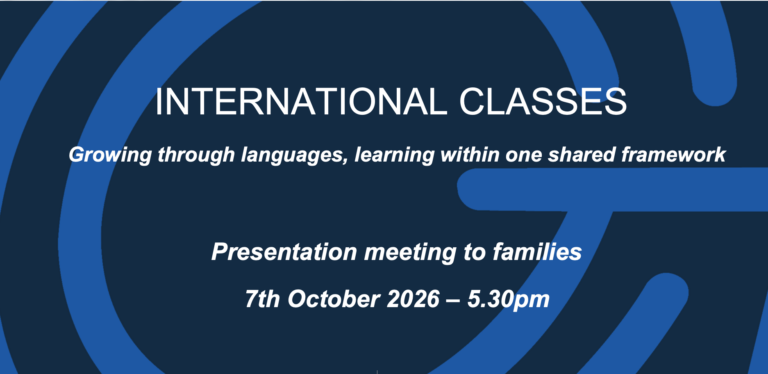
Ahead of the meeting scheduled by the Lycée on 7th October, CIPL is revisiting the findings of the survey conducted with APL during the first quarter of 2026, which gathered the views of 146 families. Respondents were primarily Lycée families (60%, including 24% in Anglais Renforcé), alongside parents from Holy Cross only (29%) and families with children in both schools (12%).
The survey reveals a high level of satisfaction with the existing educational programmes.Across Anglais Renforcé, Fulham Bilingual on the Lycée side and Fulham Bilingual at Holy Cross, average satisfaction scores ranged from 4.2 to 4.4/5.
Parents highlighted the strengths of each pathway. Families value the rigorous French academic foundation provided by Anglais Renforcé (AR), the breadth of future opportunities affored by the Lycée's dual curriculum, the bilingual and bicultural experience offered. Across all programmes, respondents praised educational quality, complementary teaching approaches, language development and international exposure.
At the same time, parents identified opportunities for improvement. These included strengthening and better differentiating English teaching within AR, and improving coordination between curricula, ensuring greater consistency in academic standards and maintaining a manageable workload for children enrolled in Fulham Bilingual programmes.
While support for bilingual education remains strong, families expressed considerable concern about the changes announced at that time.
Concern was highest among Holy Cross-only families, 95% of whom rated their concern at four or five on a five-point scale. This was followed by families connected to both schools (88%). Among Lycée-only respondents, two thirds reported a high level of concern.
The issues most frequently cited related to uncertainty surrounding the transition and the future structure of the programme. Among all respondents:
- 91 % identified obtaining clear and transparent information as a primary concern.
- 83 % cited the well-being of their children.
- 80 % sought greater clarity regarding the structure of the new bilingual programme.
- 78 % were concerned about financial implications and school fees.
These findings suggest that families are looking not only for reassurance but also for concrete information to support decision-making.
The clearest message from the survey is the widespread dissatisfaction with communication surrounding the announcement.
Communication was overwhelmingly perceived as poor, with respondents criticising the lack of coordination between the two partner schools and expressing particularly strong disappointment with communication from the LFCG.
Overall, 96% of respondents provided a negative or critical assessment of the communication process. Families frequently described the information provided as unclear, uncoordinated and anxiety-inducing.
Nearly a third of respondents pointed to a lack of transparency or practical detail, while 27% referred to contradictory or poorly coordinated messaging. One in five reported that the communications had increased anxiety among children and families.
Written comments reflected a broader erosion of confidence. Parents described receiving conflicting information and questioned the timing, tone and level of detail provided throughout the process.
Beyond broad concerns, parents identified a number of specific questions that remain unresolved. Families want reassurance that every child will have the option of a place within the future programme. They are also seeking clarity on how the bilingual pathway will operate beyond the 2026-27 academic year, whether the Lycée will remain in its current premises, and how fees may be affected. Additional questions relate to the future English curriculum, teacher recruitment, staffing arrangements and academic assessment standards.
The survey demonstrates that parents remain strongly committed to bilingual education and continue to value the distinctive opportunities these programmes provide. The concerns expressed are not a rejection of the bilingual model itself. Rather, they reflect a desire to safeguard educational quality, children's well-being and continuity for families.
While, at the time of the survey, a large majority (78%) of families in Anglais Renforcé were not considering leaving the network following the announcements, this figure fell to 35% among Lycée families with at least one child enrolled in the FB programme.
Rebuilding confidence will require timely, transparent and coordinated communication supported by a clear and credible transition plan. Above all, parents are seeking the information necessary to make informed decisions about their children's educational future.
To attend in person the meeting organised by the Lycée on 7 October, please register using the link in the email sent by the school secretariat on 23 September. Alternatively, use this link to register for the video conference: https://forms.gle/AjUH34trZDAAmzN2A.
Vous pouvez dès à présent poser vos questions afin que nous les remontions aux directeurs des écoles primaires en amont de la réunion de présentation via le formulaire ci-dessous :